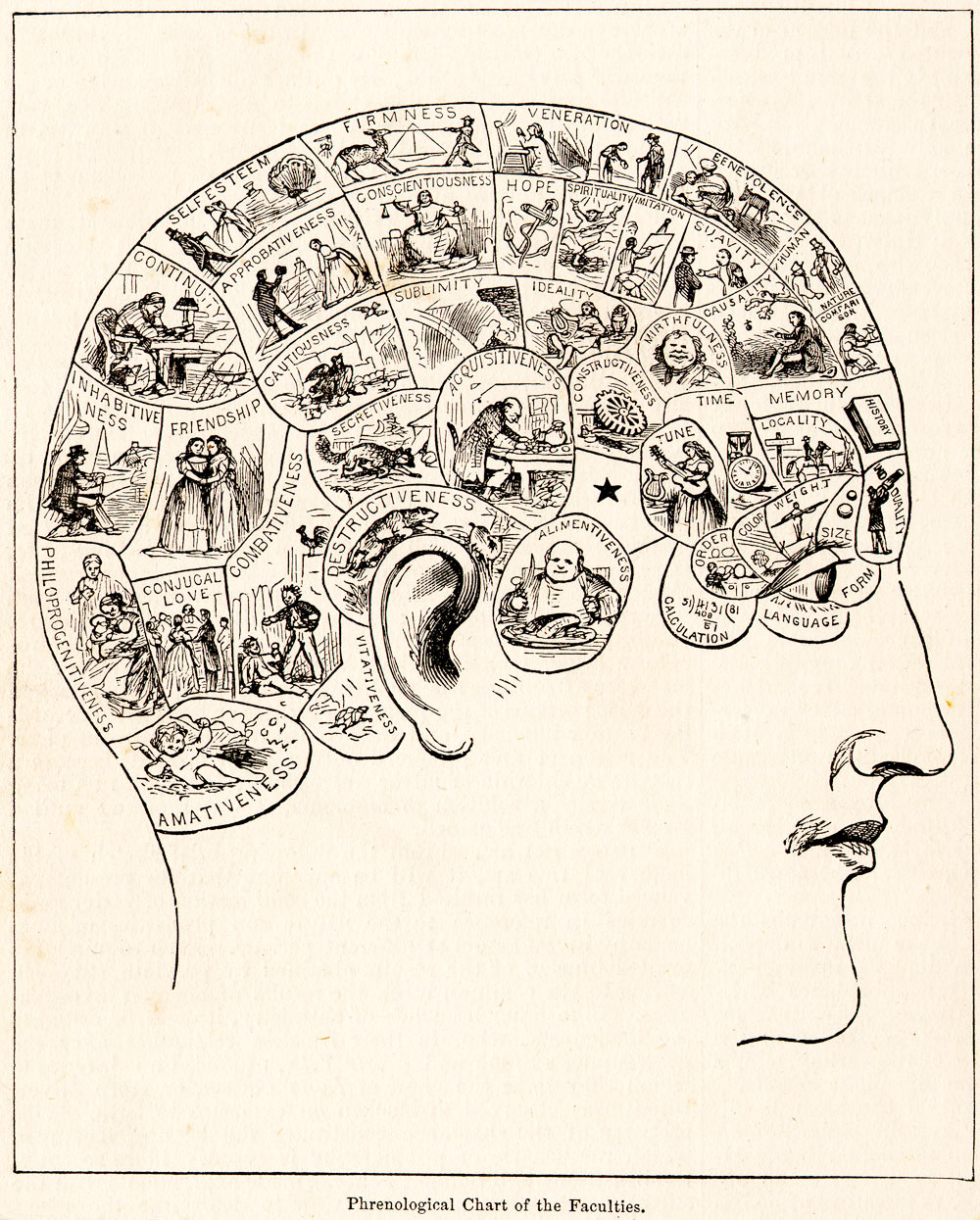
What’s wrong with the DSM-5?

Tomorrow the British Psychological Society’s Division of Clinical Psychology will issue a statement proposing a paradigm shift in the way mental illness is understood. It’s timed to coincide with the publication later this month of the fifth edition of the American Psychiatric Association’s Diagnostic and Statistical Manual of Mental Disorders (DSM-5).

According to today’s Observer, the statement will challenge the biomedical model of mental illness on which the DSM is based. If the Observer’s report is correct, the statement claims it is ‘unhelpful to see mental health issues as illnesses with biological causes’ and that ‘there is now overwhelming evidence that people break down as a result of a complex mix of social and psychological circumstances – bereavement and loss, poverty and discrimination, trauma and abuse’.

The statement is described as ‘provocative’. If it says what it’s quoted as saying, it certainly will be. There’s a discussion, also in today’s Observer, of two perspectives on mental illness between Simon Wessely (psychiatrist) and Oliver James (clinical psychologist).

I’m no fan of the DSM – I think it’s profoundly flawed – but not because it assumes that mental illnesses have biological causes. It’s because the framework commonly used to conceptualise mental illness and indeed, the whole of human experience, is also flawed. Many of the differences of opinion set out in today’s Observer could be resolved by re-framing the debate.

Re-framing the debate

– At conception, each of us has a unique set of genes; unique because of the way the genes from our parents have combined, and because of spontaneous variations that can occur during the division and recombination of DNA.

– Genes are expressed in the production of (mainly) proteins. The way genes are expressed is influenced by environmental factors, such as the mother’s diet and physiological state, infections, exposure to toxins etc.

– Gene expression and environmental influences result in each human being having a unique anatomy and physiology, although obviously, we each have a great deal in common with others of our species.

– Environmental influences, ranging from diet, through accidents or infections, to our interactions with others, continue to affect us throughout our lifespan.

– Our own behaviour, and that of others, influences us throughout our lifespan.

– Sometimes, gene expression and/or environmental influences result in outcomes that we label ‘illnesses’ – conditions which are seen as undesirable and as originating in the body or brain.

– We label some aspects of our functioning – perceptions, thoughts, feelings and behaviours – ‘mental’ processes, so perceptions, thoughts, feelings and behaviours that we or others find undesirable and appear to originate in the body or brain, are labelled ‘mental’ illnesses. This is a hangover from an era when mental and physical were seen as distinct. To the best of our current knowledge, ‘mental’ and ‘physical’ illnesses are both products of the interaction between genetic expression, environmental factors, and how people behave. That much is pretty clear. However, teasing out the causes of illness or even deciding whether a particular phenomenon is an illness, is challenging.

And that’s the nub of the problem. So what do we do about it?

What do we do about the DSM?

1. Abandon the idea that any human being is ‘normal’. Each of us has a unique genome, has experienced a unique environment, and has a unique behaviour pattern, so human beings will vary.

2. Abandon the idea that divergences from supposedly ‘normal’ perceptions, thoughts, feelings and behaviours are pathological – they might not be disorders, just variations.

3. Abandon the distinction between ‘mental’ and ‘physical’ – both are products of the interactions between genes, environment and behaviour.

4. Abandon the idea that because people have similar symptoms, they must have an illness, and it must be the same illness. Although the same illness can cause varied symptoms, similar symptoms can also have different causes.

5. If patients have perceptions, thoughts, feelings and behaviours that they or others find problematic, systematically investigate genes, physiology, disease, diet, lifestyle, behaviour, economic and social factors as causes. Support patient accordingly.

What not to do

There are major problems with the DSM. It assumes that some human perceptions, thoughts, feelings and behaviours are normal and that others aren’t. It makes an unhelpful distinction between mental and physical. It assumes that similar symptoms indicate a shared cause for those symptoms. It locates perceptions, thoughts, feelings and behaviours in the individual, when environmental factors, including other people’s behaviour, can be major influences.

But the problems with the DSM will not be resolved by replacing a model of mental illness that omits environmental factors (the so-called ‘biomedical model’) with one that omits biological factors. Bology, environment, and the behaviour of individuals and others around them, need to be taken into account.

Postscript

Incidentally, I’ve tackled the problem of symptoms and their underlying causes in more detail in my blog about autism, and the tendency to omit both biology and wider environment as possible causes for problematic issues in my blog about child development.

practical politics

I’m currently re-reading the delightful, but completely whacky, Mistress Masham’s Repose by TH White, first published in 1947. White, who was a conscientious objector, is better known as the author of The Sword in the Stone.

mashamIn this excerpt, Maria, the central character, has been imprisoned in a dungeon with her friend the Professor, by the evil Miss Brown and Mr Hater. Maria and the Professor are waiting to be rescued by a party of Lilliputians. The Professor and Maria are discussing Jonathan Swift, the author of Gulliver’s Travels. The Professor makes some observations that sound remarkably contemporary;

You see, Maria, this world is run by ‘practical’ people: that is to say, by people who do not know how to think, have never had any education in thinking, and who do not wish to have it. They get on far better with lies, tub-thumping, swindling, vote catching, murdering, and the rest of practical politics. So, when a person who can think does come along, to tell them what they are doing wrong, or how to put it right, they have to invent some way of slinging mud at him for fear of losing their power and being forced to do the right thing. So they always screech out with one accord that the advice of this thinker is ‘visionary’, ‘unpractical’, or ‘all right in theory’. Then when they have discredited his piece of truth the by the trick of words, they can settle down to blacken his character in other ways at leisure, and they are safe to carry on with the wars and miseries which are the results of practical politics.”

not enough jam: select committee report on SEN legislation

Sad person that I am, I love reading Parliamentary Select Committee reports. Select Committees don’t always get it right, but they are an example of democracy at its most transparent. Evidence, written and verbal, is presented verbatim so anyone who cares to can see how the Committee has taken evidence into account in its recommendations – and anyone can learn from the expertise and insights of witnesses. And because government responses to Select Committee reports are also published, anyone can see how much notice the government has taken of the Select Committee – and therefore of the evidence presented. Just before Christmas, the UK’s House of Commons Education Select Committee produced a report on its pre-legislative scrutiny of the draft special educational needs legislation published in September this year. I want to comment on the report in the light of my previous post about upstream and downstream factors in the education system.

Evidence

The first thing that struck me about this report is that it is firmly grounded in the evidence submitted by individuals and organizations involved with special educational needs; almost all the recommendations are based on information from the frontline. The second thing was that it brings a systems perspective to the draft legislation. And the third thing (I have mixed feelings about this) is that I’m not the only Cassandra out there. The impression that the report as a whole conveys is that although the government’s intention and direction of travel in reforming the SEN system is heartily welcomed, that welcome is accompanied by long list of misgivings.

In this post, I want to list some of the key misgivings that emerged from the evidence presented to the Select Committee and then look at the upstream factors that might have prompted them.

Misgivings

Joined-up thinking:
• no statutory duty for health or care services to provide the support specified in the Education, Health and Care (EHC) plans
• questions over how EHC plans will fit in with adult Care and Support plans.

Assessments:
• doubts about the capacity within the system to carry out assessments – without enough people with sufficient expertise, young people will continue to need multiple assessments from different agencies as is currently the case
• a conflict of interest if assessment and service provision are carried out by the same parties.

Accountability:
• lack of clarity about who is accountable to whom for what and how that accountability can be enforced.

SEN Code of practice:
• to be revised, but not as a statutory document laid before Parliament.

Children and young people falling through the net:
• concern about children who have non-educational needs (e.g. pre-schoolers, children with disabilities but not SEN, young people in supervised work placements, apprenticeships)
• concern about children currently on School Action, School Action Plus or lower Statement funding ‘bands’ levels – SA and SA+ categories will disappear.

The Local Offer:
• no minimum standard required – concern that LAs will simply provide a service directory
• no minimum requirement regarding parent participation – a risk that parent participation will be tokenistic

The task of government

As I see it, the primary task of government is to ensure the maintenance of an infrastructure that allows the community it serves to go about its lawful business without let or hindrance. That doesn’t mean government has to design the infrastructure – the evidence suggests that design is far better left to people with relevant expertise. But government does need to maintain an overview – to make sure the different parts of the infrastructure interact effectively, to legislate in order to resolve conflict and to ensure the community’s cash isn’t wasted. Government departments have different areas of responsibility and one of the tasks of the Prime Minister or his/her office should be to ensure that those departments interact effectively. This is a thankless and difficult task and conflict between government departments is unlikely ever to be eradicated, but someone, somewhere needs to have oversight of what’s going on in different departments to ensure that government policy is coherent – that legislation drawn up by one department isn’t going to conflict with legislation drawn up by another, or that budgets aren’t going to scupper policy. Unfortunately, in the case of the draft SEN legislation, this doesn’t appear to have happened.

The biggest reform in SEN legislation for 30 years is being introduced at the same time as the NHS is undergoing the biggest structural change in its history, the school leaving age is being raised to 18, school funding is changing to reflect the increasing autonomy of schools and public sector budgets are being cut year-on-year for the foreseeable future. The SEN legislation rests on several assumptions about the way other public sector services will be working. But no one actually knows how they’ll be working. Witness after witness drew the Committee’s attention to the large number of ‘unknowns’ in the proposed SEN equation.

Sub-system optimization

The SEN legislation is a perfect example of what’s known as sub-system optimization at the expense of whole system optimization. In other words, the proposed SEN sub-system on its own might be great; but the SEN sub-system doesn’t exist on its own, it interacts with several other systems many of which are also undergoing change. Re-designing a service so that it works effectively is a challenging task and one that’s best undertaken by a team of people who have expertise in different aspects of the service, in consultation with a wide range of those working at the front-line – including service users. The reason for this is not to ensure that all parties feel they have been consulted, but to avoid the unforeseen and unwanted outcomes of poorly designed legislation that often end up as part of the judiciary’s caseload. Large-scale or rapid structural changes should be undertaken only when absolutely necessary otherwise there is a big risk of costly knock-on outcomes elsewhere. Over recent decades, the speed with which legislation is introduced seems to have gathered pace. This is certainly true for special educational needs legislation.

The Warnock Committee responsible for the previous re-design of SEN provision was set up in 1974 and consisted of 27 members. Its terms of reference were as follows;

To review educational provision in England, Scotland and Wales for children and
young people handicapped by disabilities of body or mind, taking account of the medical
aspects of their needs, together with arrangements to prepare them for entry into
employment; to consider the most effective use of resources for these purposes; and to
make recommendations
”.

The Committee took nearly four years to report and legislation based on its recommendations wasn’t enacted until 1981. The recent equivalent was the Lamb Inquiry. Its Expert Advisers Group had six members (although it had a larger Reference Group). It was commissioned in 2008 in response to Select Committee reports critical of SEN provision published in 2006 and 2007, reported in 2009 and its recommendations have prompted legislation that has been drafted before pathfinder local authorities’ pilot studies are complete. Its terms of reference are very different from those of the Warnock Committee, focusing on parental confidence in the SEN system:-

In formulating their advice, the Inquiry would:
●● consider whether increasing parental confidence could be best achieved by:
–– making the provision of educational psychology advice ‘arm’s length’ from
local authorities;
–– sharing best practice in developing good relationships between the
authority and parents, through effective Parent Partnership Services and
other local mechanisms;
–– effective practice by schools and local authorities in meeting the needs of
children at School Action Plus;
–– developing the ‘team around the child’ approach in the school stages;
–– other innovative proposals;
●● commission and evaluate innovative projects, in the areas identified, that can
demonstrate the impact on parental confidence of a particular approach;
●● draw on the evidence of other work currently commissioned by the
Department;
●● take into account the evidence of the submissions to the two Select
Committee Reports in 2006 and 2007.

In 1981, the changes resulting from the Warnock report would have been applied to a fairly flexible education system – it would have been up to individual schools or local authorities how implementation took place. A decade later, a compulsory national curriculum and standardized testing had completely transformed that educational landscape. Ironically, the SEN reforms had been both introduced and undermined by changes to the wider education system by the same person – Margaret Thatcher. The constraints imposed on schools and local authorities by performance indicators have led to unforeseen and unwanted outcomes for children with SEN.

Unforseen and unwanted outcomes

The recent Select Committee report draws attention, for example, to the disincentives in the education system for schools to educate children with special needs. The NASUWT cites the case of the flagship Mossbourne Academy in Hackney (founding principal Sir Michael Wilshaw, currently Chief Inspector of Schools) where parents have successfully challenged the school in relation to admission of pupils with SEN. My attempts to find a reference to ‘special educational needs’ on Mossbourne’s website met with failure – as they did on a number of websites for secondary schools in my local area. This might be because the search function on the websites doesn’t work – but frankly, I doubt that’s the cause.

In addition, giving schools increased autonomy and removing them from local authority control has resulted in a lack of clarity about who’s responsible for what and to whom. Edward Timpson, Parliamentary Under-Secretary of State for Education assured the Committee that

all schools will have a vested interest in ensuring that the services that they have available are part of the local offer. Parents will be able to hold them to account for whether they do or they do not” (para.138)

I suspect the Committee wasn’t assured, since this means that the only way for parents to ultimately hold schools to account will involve taking legal action against them – which many parents will be unable or unwilling to do.

In short, making sure that a suitable education is available to all children and that schools actually provide that education is no longer safeguarded in the design of the system – by, for example, ensuring that all education providers have ready access to relevant expertise and resources and that there’s a clear pathway of accountability that doesn’t require parents to resort to legal action. Instead, government appears to see its role as having good intentions.

In response to the Select Committee’s suggestion that the draft clauses in the legislation lacked substance the Minister stated;

“I am confident—and it is borne out in many of the conversations I have already had with many of those who played a part in bringing it together—that it does illustrate, very clearly, the ambition of this Government and many other people to ensure that the system we move to is a vast improvement on the previous system” (para.13)

That might be perfectly true, but ‘ambition’ isn’t all that’s required to design and run an education system, health or care service. As I see it, over recent decades governments have become increasingly involved in the design of public sector services for political reasons, but are reluctant to take responsibility for flaws in the design of those systems – flaws that are unsurprising given the unavoidable lack of relevant expertise of government ministers and their special advisers.

Upstream factors

I said I’d look at upstream and downstream issues. Not surprisingly, the factors I flagged in my previous post – lack of expertise, insufficient resources and capacity and inadequate needs analysis, cropped up in the evidence submitted to the Select Committee.

Expertise The NUT drew attention to the fact that schools were already reporting difficulties accessing specialist advice regarding children with School Action or School Action Plus support, implying that at least some teachers don’t currently have the expertise required to support children at these levels. Witnesses also asked for the legislation to require SENCOs to have appropriate training.

Resources and capacity The difficulties experienced in accessing specialist advice suggest some local authorities are already cutting back on support services. One headteacher had been told by her local authority that children currently with lower band Statement funding would not be eligible for EHC plans. Funding cuts across the public sector have significant implications for the viability of the SEN proposals.

Needs analysis The task of local authorities is, and always has been, to provide services that meet the needs of the local population. By now, LAs should have accumulated sufficient information about the needs of local children to have a reasonably accurate idea about what services those children need. But currently, many LAs prioritise the needs of children with severe difficulties, suggesting that services are not based on need, but on budgets. The NHS hasn’t been around for as long as local authorities, but 60 years is quite long enough to have formed a good awareness of what children’s needs are. But long waits for diagnoses, to see specialists or get wheelchairs suggest that again, children’s healthcare is based on budgetary considerations rather than needs.

Not enough jam

In a letter to the Education Select Committee, Sarah Teather, responsible for the Green Paper that initially set out the proposals for change to the SEN system, asked whether there was ‘a case for extending the scope of the integrated provision requirement to all children and young people, including those with SEN’ (para.73). The consensus amongst witnesses was that doing this would mean ‘spreading the jam too thinly’.

One can appreciate concerns about limited resources being diverted from those who need them most, but this response does beg a couple of questions: The first is ‘Why are children categorized as those who need jam or those who don’t?’ Difficulties that require educational, health or social support are distributed across the population and vary during the lifetime of the individual – some children need more support than others and some might need support at some times but not at others. In other words, all children need access to the jam, even if they never need the jam itself. The second question is ‘Is there enough jam in the pot?’ If service design is based on the outcomes of a needs analysis, there should be. If service design is based on budgets, then assessments determine children’s eligibility for support, not what their needs are. And if there isn’t enough support to go round, this means that there are likely to be children who need support but who aren’t getting it.

The saying ‘children are our future’ might sound trite, but it’s still true. Child abuse by individuals has, rightly, received a great deal of attention in recent years. But public sector systems that withhold support from children who need it is also abusive and needs to be addressed as a matter of urgency. Treating children with special educational needs and disabilities as second-class citizens is a self-fulfilling prophecy.

the dead sheep in the stream and new special needs legislation

Many years ago, on a walking holiday in the Lake District with friends, the conversation turned to how clean the water in the mountain streams might be. One of the more intrepid members of our party said; “So it would be OK for me to drink this?” “Probably,” replied an experienced fell-walker, “But not if there’s a dead sheep in the beck higher up.”

mountain stream

I was reminded of this incident by my local parent carer group newsletter. Not that there was anything wrong with the newsletter itself, but it included a couple of articles about the proposed legislative changes for the support of children with special educational needs and disabilities (SEND). The proposals include;

• joint planning and commissioning of services by local authorities and Clinical Commissioning Groups
• individual support specified in a single Education, Health and Care (EHC) plan
• support extended to age 25 and
• that families of children with EHC plans should have the option of a personal budget.

The proposals have, overall, been welcomed. However, concerns have also been expressed.

The changes were first put forward in March 2011 in a Green Paper entitled “Support and aspiration: A new approach to special educational needs and disability”. I was involved in the responses of several groups to the consultation that followed and the general feeling was that it was difficult to comment on the viability of the proposals because they hadn’t been set out in enough detail. The Department for Education’s response to the consultation, “Support and aspiration: A new approach to special educational needs and disability – progress and next steps” was published in May this year and draft legislation was published in September. The Department for Education appointed 20 pathfinder authorities to pilot and evaluate the proposed changes, with a final evaluation due in the summer of 2013 – almost a year later. Queries from interested parties about how the proposals would be implemented were generally greeted with advice to wait for the pathfinder reports. In the event, not surprisingly, the pathfinder evaluation has been extended and it is likely that the legislative programme will be delayed until after the final pathfinder evaluation is published.

In discussions about these changes, I’ve felt like a Cassandra, prophesying doom and gloom whilst many around me have remained relentlessly upbeat. After all, the fact that there’s a SEND Bill at all shows that the current government recognizes there are problems with the current system, and the proposed changes show that the DfE knows what the biggest ones are. Many children are likely to benefit from the changes. But in my view the proposals merely tweak problems caused by much more fundamental factors in the system, and that if these factors aren’t addressed, the current set of problems will simply be exchanged for another. One parent I sat next to in a meeting kept saying “At least it couldn’t be worse than the current system.” Well, actually it could. It could be like the situation prior to the Warnock report in 1978, which recognized that many able children were denied a suitable education because of a physical disability, and many less able children were considered ineducable. Or, as I suggested, the legislation might result in a set of problems that are simply different to the current ones.

Components of a service

A service – whatever it is and whoever it’s for – has to have several components. First, expertise. The people offering the service need to know how to accurately assess their clients’ needs and how best to meet them. Second, capacity and resources. An effective service will need enough people with the right expertise and sufficient equipment, materials, buildings etc. Thirdly, before designing the system the service will need to carry out a requirements analysis for all the people who need the service – usually described as a needs analysis in the case of children with SEND. No service would have an unlimited budget, so once planners and commissioners know what the needs are, they can then decide what expertise and resources are going to be most cost effective and what service users can probably manage without. This might seem self-evident and might appear to be what central and local government are doing already, but since the current system of support for children with SEND clearly isn’t working – and I would argue that it never has worked, in terms of ensuring that most children with SEND achieve their full potential – there must be something going wrong somewhere.

What’s going wrong?

The Department for Education seems to have decided that the problem lies in the way support services are planned, commissioned and delivered. Planning and commissioning aren’t joined up enough, despite local authorities having integrated children’s services for nearly a decade. The process of statutory assessment is too cumbersome and takes too long, even though in principle, assessments could be completed within weeks, rather than months. Support doesn’t go on for long enough, despite adult services being available. Local authorities aren’t allocating finance in the most effective way, even though it’s their job to do so. Consequently, the planning, commissioning and delivery of the system are being changed. Since the people who designed the current system presumably thought it would work, and viable processes for planning, commissioning and delivery are already in place, a key question does not appear to have been asked; what made the system go wrong in the first place?

The dead sheep in the stream

This is where the sheep in the stream analogy comes in. Imagine that you live in a farmhouse at the foot of a mountain. The farm is too remote for a mains water supply and for three hundred years the inhabitants have relied on water from a stream fed by a spring halfway up the mountainside. The purity of the water is renowned locally and the only problems ever reported have been that the stream flows sluggishly during extreme droughts. Then one day everyone at the farm gets sick. The illness is identified as a water-borne one and further investigation reveals the source – the body of a sheep lying in the stream just below the spring, hidden in a densely wooded area where sheep rarely stray. The farming family is advised to boil their drinking water or install a purification unit, but they might not need to do anything that involves that level of inconvenience or expense. It’s quite likely that simply removing the body of the sheep from the stream and letting the water flow for a couple of days would allow farmers to continue drinking the spring water for the next three hundred years without mishap – provided no more bodies end up in the stream.

Requiring local authorities to undertake joint planning and commissioning, implementing EHC plans, extending children’s services to 25 and providing personal budgets are all the equivalent of the farming family boiling their water in pots instead of kettles or installing a more sophisticated purification unit – while there’s still a dead sheep in the stream that’s contaminating the water. So what’s the equivalent of the sheep? I’d say it was a problem with each of the three components of service provision I mentioned earlier – expertise, capacity and resources, and requirements analysis – not downstream in the system near the point of delivery where most of the amendments are taking place, but further upstream.

Expertise

First, let’s look at expertise. Recent independent reports have indicated a lack of expertise with regard to children, in the education (Lamb, 2009), health (Kennedy, 2010) and social care (Munro, 2011) sectors. Despite the Warnock recommendation that children with SEND be taught in mainstream schools where possible being implemented since 1978, it’s only since 2009 that teachers have been required to have SEN training and that new special educational needs co-ordinators (SENCOs) have had to be qualified teachers. Teaching Assistants (TAs), who now make up around 25% of the mainstream school workforce, are generally not qualified teachers and don’t necessarily have any educational training, but are often the people who spend most time with children with SEN. A recent study (Webster & Blatchford, 2012) revealed that teachers aren’t usually trained to work with TAs, so many TAs are having to work ‘on the hoof’ in the classroom with little or no preparation with a child with learning or behavioural problems. The study found that when TAs worked with the rest of the class for part of the lesson so teachers could spend time with the children with SEN, the achievement of the pupils improved and teachers understood their learning difficulties better. What’s puzzling is how this situation arose in the first place. Here’s an extract from a piece about SENCO training published in the Times Educational Supplement in May 2009.

The [training] courses have been set up to address serious concerns about the perceived “low status” of Sencos and to raise the profile of special needs and disabilities in schools.”

I find it intriguing that although the professional status of SENCOs and poor awareness of special educational needs might be relevant issues, the TES reporter frames SENCO training in those terms of rather than in terms of the expertise required to help all children learn. What does this say about perceptions of SEN?

Capacity and resources

A second factor is capacity and resources; I’ll talk about capacity first. A recurring problem for parents of children with SEND is how long it takes to see professionals who can carry out assessments. Often all children get is repeated assessments; because of limited service capacity sometimes parents (and occasionally teachers) are expected to implement therapies even though they have no idea what might be causing the child’s problems or what outcomes to expect. Another recent report (Bercow, 2008) suggested that speech and language therapy in England was a postcode lottery, and there doesn’t seem to have been a significant improvement since then. The British Psychological Society has expressed concerns (not for the first time) about cuts in the number of educational psychologists employed by local authorities. Google ‘shortage occupational therapist’; and you’ll find reports from various parts of the globe. Then there’s resources. Parents report problems getting wheelchairs and nappies; even the NHS website says that there might be a waiting list for assessments (waits for the actual wheelchair aren’t even mentioned). My local occupational therapy service apologized for the delay in providing therapy for my son. One problem was that they hadn’t been able to access his school to show teachers how to integrate exercises into his school day. Another obstacle was that because their equipment takes an hour to put up and an hour to dismantle, the only time they were able to book a room large enough and available for long enough for them to treat several children in one day was during the school summer holidays.

Requirements analysis

And then there’s the requirements analysis. Under the 1989 Children Act, local authorities are required to keep a register of children with disabilities. This should provide the information they need to enable them to design support services. The register is a voluntary one in the sense that parents volunteer information about their children, and there are obviously questions over what qualifies as a disability, so at best such a register is only going to provide approximate information about the needs of children with disabilities in a given locality. But an approximation is all that’s required. In the past twenty years, it should have been possible to form a fairly accurate picture of local needs, trends over time and year-to-year fluctuations. But judging by recent reports, support for children with SEND has been getting worse, rather than better. So what’s gone wrong?

I suggest that because education, health and social care systems have been evolving piecemeal during this time, national government initiatives have cut across local authorities’ ability to use data to design effective services. For example, following the Warnock report in 1978, local authorities were encouraged to educate children with disabilities in mainstream schools where possible. An inspiring example of this is the collaboration between a mainstream junior school and a school for children with visual impairment described by Hegarty and Pocklington (1981). At that time, local authorities and individual schools had complete control over such initiatives. Then in 1988, the Education Reform Act introduced a compulsory national curriculum, followed in 1991 by national curriculum assessments, commonly known as SATs. Although there might have been good reasons for introducing both, they have each had an impact on the Warnock recommendation for the inclusion of SEND pupils in mainstream schools. If the performance of schools is assessed by pupils’ performance in standardized tests, systems pressures will inevitably lead to a tendency to marginalize pupils with SEND, either overtly – by schools discouraging admittance or by formal or informal exclusions – or covertly by simply not allocating sufficient resources to their education. Add to this the absence of SEN from initial teacher training and the reduction in SEN expertise within the education system as a whole due to a focus on children within the normal range and the closure of special schools, and no amount of tinkering with statutory assessments or who holds budgets will be able to compensate.

Failure demand

Overlooking shortcomings in factors that are upstream in a system means that whatever you do to problems downstream, they won’t get fixed. In fact the upstream issues create the need for further resources that wouldn’t be needed if the upstream problems were fixed. This phenomenon is what John Seddon calls failure demand – demand created solely by failures of system design. A common failure demand in the case of children with SEND is that avoiding early intervention in an attempt to avoid unnecessary costs often means that simple problems become complex ones, requiring expensive interventions later on. Not to mention the sometimes permanent damage done to a child’s self-esteem and the time wasted by teachers, parents and professionals trying to get problems resolved in the meantime. Providing sufficient resources to meet needs might not cost more; in fact, once failure demand is eliminated, costs can go down.

In short, until teachers, healthcare and social care professionals are trained to meet the needs of all children, not just those within the normal range, until there are enough people with that training working within the education, health and social care sectors, and until there are enough materials, equipment and space available to meet the needs of all children, the needs of all children will not, and cannot be met.

References

Hegarty S. and Pocklington K. (1981). “A junior school resource area for the visually impaired” in W. Swann (Ed.) The Practice of Special Education, Basil Blackwell/Open University Press.

Webster R. & Blatchford P. (2012). “Supporting learning?:.How effective are teaching assistants?” in P. Adey & J. Dillon (Eds) Bad Education: Debunking myths in education, McGraw Hill.

Acknowledgements

Photograph: Tullynaglack, Donegal, copyright Louise Price, used under Creative Commons http://commons.wikimedia.org/wiki/File:Mountain_stream,_Tullynaglack_-_geograph.org.uk_-_974248.jpg

the myth of the neuromyth

In 1999, at the end of the ‘decade of the brain’ the Museum of Life in Rio de Janeiro was planning a series of events aimed at enhancing the general public’s understanding of brain research. As part of the planning process, a survey was undertaken to find out what the population of Rio de Janeiro, especially students, actually understood about the brain. The findings are set out in a paper by Suzana Herculano-Houzel entitled:

Do you know your brain? A survey on public neuroscience literacy at the closing of the decade of the brain”.

Respondents were asked about their opinion (yes, no or don’t know; Y/N/DK) as to whether each of 95 statements about the brain was correct or not. 83 statements were directly related to brain research and 12 indirectly related. The general public scored around 50% correct responses to the items. Not surprisingly, the percentage of correct scores increased with number of years in education, and to some extent, with the amount of reading respondents did – of books, science magazines and newspapers.

The statements in the survey were, of necessity, short. Examples include; “we use our brains 24 hours a day”, “when a brain region is damaged and dies, other parts of the brain can take up its function” and “we usually utilize only 10% of our brain”. A core problem with condensing complex, uncertain or contentious research findings into single sentence assertions is that the research findings often can’t be accurately summarised in short statements. Herculano-Houzel addressed this problem by asking neuroscientists to respond to the survey. 35 replied. She took 70% agreement amongst them as the threshold for determining the correctness of the assertions. 56 items met this criterion.

The neuroscience literacy of trainee teachers

A decade later, some items from the Herculano-Houzel survey were used by Paul Howard-Jones and colleagues at the Graduate School of Education at the University of Bristol, England, to explore the neuroscience literacy of trainee teachers. As the authors point out, there is considerable concern about the prevalence of ‘neuromyths’ in education – citing an OECD report published in 2002 that defined a neuromyth as a “misconception generated by a misunderstanding, a misreading or a misquoting of facts scientifically established”. (A later volume lists some common neuromyths). Howard-Jones et al cite the Visual, Auditory and Kinaesthetic (VAK) Learning Style, left-brain/right-brain learning preferences and brain gym models and common perceptions of the effect of water, sugar and omega-3 oils in learning, as examples.

The authors gathered responses from 158 graduate trainee teachers coming to the end of a PGCE course, to 38 assertions – 15 correct, 16 incorrect, and 7 open to subjective opinion. 16 of the assertions were adapted from the Herculano-Houzel study and the remainder derived from concepts identified in preliminary interviews and previous research by the authors. Participants were asked whether the assertions reflected their opinions and to respond Y/N/DK. At first glance, the two studies look alike, and indeed Howard-Jones et al’s trainee teachers’ responses were broadly comparable to those of Herculano-Houzel’s graduates. But there are some important differences between the two that need to be borne in mind in respect of Howard-Jones et al’s conclusions.

ambiguity

As I see it, there are two sources of ambiguity in the Herculano-Houzel survey. One is the consequence of condensing research findings accurately into a single sentence assertion that Herculano-Houzel addressed by noting the level of agreement amongst neuroscientists. The other is that Y/N/DK responses can fail to represent the degree of respondents’ agreement with single sentence assertions that represent complex, uncertain or contentious research findings. Respondents might only slightly agree or disagree with a statement, or might reply ‘don’t know’ for a variety of reasons such as; ‘I don’t know’, ‘Scientists don’t know’, ‘Neither yes nor no is accurate’ or ‘I know what my opinion is but I don’t know whether there’s scientific evidence to support it’. This response ambiguity didn’t matter too much in the Brazilian study because its purpose was to get a broad overview of what the public knew or didn’t know about the brain. The public understanding of the brain is not unimportant, but it’s not as important as how teachers understand the brain, since a teacher could, directly or indirectly, pass on a misunderstanding about brain function to literally thousands of students.

Howard-Jones et al discuss in some detail the possibility that respondents might have interpreted assertions in different ways, or that there might have been differences in understanding behind the responses. I think this could have been addressed by designing the questionnaire differently, because restricting teachers’ responses to Y/N/DK might not produce a sufficiently accurate picture of what teachers know or don’t know. For example, a graduate who’d studied neuroscience might be aware of exceptions to an assertion that was broadly true, or might interpret the wording of the assertion differently to an arts graduate who knew very little about biology. It might have been more useful to have asked the trainee teachers to use a scale to express their degree of agreement with the statements, and also to have indicated how much they knew about the relevant scientific evidence. One respondent might neither agree nor disagree with a particular assertion, but hold that view because it they were familiar with the debate going on amongst researchers. Conversely, another might agree very strongly with an assertion, but have no idea whether there was scientific evidence to support it or not.

Neuromyths in education: Prevalence and predictors of misconceptions among teachers

Earlier this year, a paper entitled “Neuromyths in education: Prevalence and predictors of misconceptions among teachers” describing a similar study was published by Dekker et al, with Howard-Jones as a co-author. This study looked at the prevalence and predictors of neuromyths amongst teachers in the UK and the Netherlands. The survey contained 32 statements about the brain and its influence on learning. 15 were ‘educational neuromyths’ derived from the 2002 OECD publication and the Howard-Jones study, and the other 17 were ‘general assertions about the brain’. Respondents were asked to say whether the statements were correct, incorrect or they didn’t know. Dekker et al found a slightly higher level (70%), of correct responses to general assertions about the brain as previous studies had found amongst graduates, and a higher level of correct perceptions of neuromyth statements (51%) than Howard-Jones et al (34%). What Dekker et al also found was that, contrary to the previous studies, a greater general knowledge about the brain did not protect teachers from believing neuromyths.

Although not impossible, this finding is not only counterintuitive but runs counter to the findings of the previous studies on which the Dekker et al study was based. Another noticeable difference between Dekker et al and the previous studies is the way ambiguity in the statements and responses is addressed. Herculano-Houzel dealt with it by measuring agreement on the assertions amongst neuroscientists. Howard-Jones et al discussed in some detail the possible variations in interpretation of specific statements. The OECD chapter from which some of Dekker et al’s neuromyths were derived explores them in some depth, but I could find no indication in the Dekker et al paper that ambiguity of the statements or of the responses had been addressed. Nor could I find explanation as to how the wording of the statements had been chosen, the criteria for ‘correctness’ of the statements determined or why the response options were presented in objective terms – C/I/DK – rather than in terms of subjective agreement – Y/N/DK.

Most of the statements that Dekker et al derived from Herculano-Houzel scored high levels of agreement amongst neuroscientists. But one ‘correct’ statement (14) “when a brain region is damaged other parts of the brain can take up its function” scored just on the 70% threshold (24% of neuroscientists disagreed and 6% didn’t know), and one ‘incorrect’ one (7) “we only use 10% of our brain” scored below the agreement threshold, with only 68% of neuroscientists disagreeing with it (6% agreed and 26% didn’t know). In addition, the wording of the statements was changed between surveys; Herculano-Houzel has “when a brain region is damaged and dies, other parts of the brain can take up its function” and “we usually utilize only 10% of our brain” respectively. We don’t know whether the variation in neuroscientists’ levels of agreement resulted from debatable research findings, or because of differences in interpretation of the wording. If the latter, it’s possible that the Dekker et al results were affected by respondents’ interpretations.

what is a neuromyth?

Some of Dekker et al’s general statements are open to interpretation too. Item 3 “boys have bigger brains than girls” is true if you compare the means of brain size for boys and girls of the same age. However, the distributions of individual measures overlap, which means that not all boys have bigger brains than girls of the same age, as you can see from the graphs below, taken from Lenroot et al (2007).

Scatterplot of longitudinal measurements of total brain volume for
males (N=475 scans, shown in dark blue) and females (N=354 scans,
shown in red).

Mean volume by age in years for males (N=475 scans) and females (N=354 scans). Middle lines in each set of three lines represent mean values, and
upper and lower lines represent upper and lower 95% confidence intervals. (a) total brain volume

Item 12 says “there are critical periods in childhood after which certain things can no longer be learned”. The research suggests that there are critical periods for some sensory functions – children with certain eye defects corrected after a certain age never develop normal vision, and children deprived of early language input have failed to develop normal speech, so whether the statement is correct or not will depend on what is meant by ‘certain things’ and ‘learned’. Item 14 claims the statement “learning is not due to the addition of new cells to the brain” is ‘incorrect’. Well, actually, the assertion doesn’t appear to be incorrect for the hippocampus. Admittedly much of the relevant research has taken place since this item appeared in the Herculano-Houzel survey, but findings had been around for a decade before the Dekker et al study and was a point raised by Howard-Jones et al.

In addition, some statements differed only in respect of some fairly fine-grained distinctions. Item 15 says “individuals learn better when they receive information in their preferred learning style (e.g., auditory, visual, kinesthetic)” and is eemed ‘incorrect’ but item 27 “individual learners show preferences for the mode in which they receive information (e.g., visual, auditory, kinesthetic)” is deemed ‘correct’. Both items distinguish generic preferred learning styles (mine happens to consist of reading new material whilst propped up in bed, followed by mulling it over while I go for a walk) from a specific Learning Styles model derived from Neuro-Linguistic Programming theory involving three named sensory domains. But respondents who are aware of criticisms of the VAK Learning Styles model might justifiably question whether individual learners actually do show preferences for the mode in which they receive information; what about people who learn best from tv documentaries for example? Audio-visual communication is itself a mode of information transmission, involving two sensory modalities. And what about constraints imposed by the learning objective itself? Most people would prefer to learn to drive or swim by receiving information kinaesthetically, whatever their usual preferences, because it’s extremely difficult to learn to do either using only visual and/or auditory modalities.

This means that at least 7 of Dekker et al’s 32 statements contain quite high levels of ambiguity, either due to the nature of the relevant research findings, or to the wording of the assertions. It’s quite feasible that Dekker et al’s counterintuitive finding that general knowledge about the brain didn’t protect teachers against believing neuromyths, might actually be an experimental artifact.

neuromyths: correct or incorrect, true or false?

I came across the Dekker et al study via Kevin Wheldall’s blog Notes from Harefield. When responding to my comments about ambiguity in survey items, he noted that the Dekker et al statements were presented as an online quiz on Leah Tomlin’s Education Elf blog. The quiz differs from the Dekker et al survey in that a ‘don’t know’ response isn’t an option. In other words, in the quiz itself there’s no acknowledgement of any possible ambiguity in the assertions – although several people who have completed it have commented on ambiguities in the statements. The Education Elf discusses the study in more detail here.

Following the trail of these studies has been a fascinating demonstration of what this blog is named after – logical incrementalism. The research question the studies set out to answer have shifted from the degree of ‘neuroscience literacy’ of the public to the prevalence of ‘neuromyths’ amongst teachers. The measure of the ‘correctness’ of statements changed from degree of agreement on a 100 point scale amongst neuroscientists, to statements being categorized as either ‘correct’ or incorrect’ with no explanation of the criteria for that categorization, or, if one includes the Education Elf blog survey, categorized as ‘true’ or ‘false’ with no explanation, despite an extensive discussion in the literature of the nature of the misconceptions, misunderstandings, misreadings and misquotings involved and respondents drawing attention to ambiguities that might have affected their responses.

There are obvious advantages in re-using survey items developed in previous studies. Many methodological issues would have been addressed in the initial survey design and any residual weaknesses would have become apparent from the results. However there are risks involved in making incremental changes to previous questionnaires unless attention is paid to the parameters that guided their development. In this case, the criterion for ‘correctness’ has been largely overlooked, as has the ambiguity that’s inevitably an outcome of asking for Y/N/DK responses.

There’s no question that misconceptions, misunderstandings, misreadings and misquotings of the neuroscience literature have contributed to the prevalence of neuromyths amongst the general public and amongst teachers. Teachers might indeed be especially susceptible because findings from neuroscience are directly applicable to their work and because many who haven’t studied biological sciences are likely to rely on simplified sources for information about the brain.

Having said that, I’d suggest that labelling complex, uncertain or contentious research findings as either correct or incorrect, true or false, facts or myths, is what what got us into this mess in the first place. Clearly teachers need more, and better, information about the brain, but some basic biology might prove more useful than putting a tick or cross next to oversimplified ideas.

References

Dekker, S, Lee, NC, Howard-Jones, P & Jolles, J (2012). Neuromyths in Education: Prevalence and Predictors of Misconceptions among Teachers. Frontiers in Psychology, 3, 429.

Herculano-Houzel, S (2002). Do you know your brain? A survey on public neuroscience literacy at the closing of the decade of the brain. Neuroscientist 8, 98–110.

Howard-Jones, P., Franey ., Mashmoushi, R, Liao, YC (2009). The neuroscience literacy of trainee teachers. Paper presented at British Educational Research Association Annual Conference, Manchester.

Lenroot,RK, Gogtay, N, Greenstein, DK, Molloy, E, Wallace, GL, Clasen, LS, Blumenthal JD, Lerch,J, Zijdenbos, AP, Evans, AC, Thompson, PM & Giedd, JN (2007). Sexual dimorphism of brain developmental trajectories during childhood and adolescence. NeuroImage 36, 1065–1073.

Organisation for Economic Co-operation and Development (2002). Understanding the brain: Towards a new learning science. Paris: OECD.

Organisation for Economic Co-operation and Development (2007). Understanding the Brain:The birth of a learning science. Paris: OECD.

systems complexity 1: what we learn in school

More years ago than I care to remember I taught, briefly, at a parent controlled school – along the lines of Michael Gove’s free schools, but in those days parents had to stump up the cash themselves. One of my first tasks was to draft a curriculum. The experience stood me in good stead when I found myself educating both my children at home.

What had concerned me most about my children’s education at school was not so much what they knew or didn’t know but what they understood about the world they live in. As my eldest put it; “We were taught about the Egyptians, the Greeks and the Romans, but I never understood why, or what they had to do with each other.”

After some trial-and-error (the standard school timetable was a non-starter) we adopted the history of the universe as a narrative spine for our learning. We started with the Big Bang and proceeded from there. We made a timeline of the universe that stretched the length of the house. The periodic table filled one wall of our dining room and the rest of our home was festooned with posters from the excellent Edugraphics. We found out what life must have been like for the young Mendeleev and for the inhabitants of Darmstadt during WWII. We studied evolution and creation stories, unearthed skulls with Leakey and watched our distant ancestors farm and develop city-states. My youngest returned to school just after the fall of the Roman Empire. I must remember to let him know what happened next.

Few teachers would think of introducing an eight year-old with special educational needs to sub-atomic theory, but for my son, that knowledge made sense of everything. Once you have a basic deep structure understanding of the connection between energy and matter, how elements interact, what DNA does, how brains process information and how people tend to behave, you have a broad framework into which all new surface features of knowledge fit. So new knowledge, whatever it is, makes sense.

But the school curriculum (in the UK at least) tends not to start from first principles. It usually begins – understandably and justifiably – with building on young children’s existing knowledge (My Family, Our Town, sand and water play). It’s later dominated by the requirements of academia. What undergraduates are required to know largely determines the content of A level courses, which in turn determines what is learned at GCSE level and so on. Add to the mix what politicians or other interested parties believe children should learn and you have a curriculum that is derived neither from the deep structure of knowledge nor from how children learn.

Using deep structure as a starting point has a number of advantages. It enables you to understand:

-how everything is related to everything else (however distantly)
-how skills and knowledge are related
-the importance and relevance of different skills and different types of knowledge

Schools have always had a problem with non-academic skills like plumbing or painting and decorating, partly because they are non-academic skills but also because of their social status. Because fewer people have the skills needed to become lawyers or doctors, these professions command high salaries and high status. Schools tend to measure their success by the number of their graduates who go into high status professions. Not on how happy those graduates are with their work or how useful they are to their communities.

We are frequently reminded that our knowledge about the world is growing at an exponential rate and that specialists can’t hope to keep on top of their own field, never mind others. This has led to increasing specialization and as a consequence there is pressure on the school curriculum to become fragmented and unconnected. Increased specalisation might be inevitable but it doesn’t follow that economists don’t need to understand human behaviour, or that doctors don’t need to grasp the principles of nutrition or that journalists don’t need to know how the brain works. Nor that it’s OK for politicians to understand only politics and not the principles that link everything together.

Dr Beeching, I presume?

When it was nationalized in 1948, the UK rail system was already inefficient. It had evolved piecemeal over the previous century into an overextended sprawling network. Passenger numbers had been hit by the increased use of motor vehicles and continued to decline in the post-war period. A commitment to full employment by the Labour government and increasing union power due to the post-war economic boom set the scene for a two-week rail strike in 1955, forcing rail freight users onto the roads, where many of them stayed. A White Paper in 1960 recommended splitting the integrated national transport system. Rail – then making a significant annual loss – would be run by a new British Railways Board, and a programme of complete modernization was proposed.

Richard Beeching was a research physicist who had risen through the ranks of ICI to become technical director when in 1961 he was appointed chairman of British Railways. His task was to make the nationalised rail network profitable. Quite why someone with no experience of the rail industry was appointed to this post remains a mystery. Maybe it was thought a physicist would understand the technicalities of rail. Perhaps it was felt that someone with a rail background wouldn’t be sufficiently ruthless. Or maybe Beeching was considered thick-skinned enough to take the blame for savage cuts. I won’t speculate on the motivation of Ernest Marples, then Minister of Transport.

According to Robin Jones’ fascinating account Beeching: 50 Years of the Axeman, one of Beeching’s criteria as to whether or not a service should be spared his now legendary axe, was direct profitability. On the face of it this seems perfectly reasonable. It certainly made sense to replace a branch line carrying a dozen passengers a week, with a bus service. Unfortunately for Beeching, many unprofitable branch lines contributed much of the traffic that made mainlines profitable. And according to Robin Jones, Beeching assumed that long-distance passengers whose branch line had closed would drive would drive to their nearest mainline station and complete their journey by rail. Instead, partly because of the new motorways, car owners found it more convenient to keep driving.

The way Beeching wielded his axe is an example of a classic systems-change error, known as sub-system optimization at the expense of system optimization. In an interconnected system, changing one component of the system will affect other connected components. The tighter the connection, the greater the risk of unintended or unwanted outcomes. Since rail branch lines are tightly coupled to mainlines, the effect of closing branch lines was considerable.

In addition, Beeching committed a second common systems-change error; making unfounded assumptions about another interacting system – in this case human behaviour.

The problem that we humans have with complex systems is that they are complex. With incomplete knowledge and a working memory that can hold seven-plus-or-minus-two bits of information, it’s very difficult for us to look at systems as a whole. That creates a lot of problems. We tend to optimize our own immediate situation regardless of the impact that has on other people or on our own long-term outcomes. Governments tweak sub-systems oblivious of the impact on whole systems and then have to tweak other sub-systems to compensate.

Beeching’s systems errors and Marples’ policies had a lasting impact on the transport infrastructure of the UK, with incalculable cost implications for the economy as a whole. It’s only been since privatization in the 1990s that rail passenger numbers have recovered to levels comparable to those prior to the Beeching cuts. (Whether or not the increase in passenger numbers is due to privatization or due to traffic congestion, petrol prices and difficulty parking at stations is a moot point.)

It’s interesting to speculate on how a biologist might have approached the task of making the railways efficient, since the systems that biologists are familiar with are significantly more complex than those that engage the attention of physicists.

Next, I plan to look at levels of complexity in systems.

References

Jones, R. (2011). Beeching: 50 years of the axeman. Mortons Media Group.

Miller, G. (1956). The Magical Number Seven, Plus or Minus Two: Some Limits on Our Capacity for Processing Information, Psychological Review, 63, 81-97.